When Alex Fitzpatrick sank the final putt that clinched his PGA Tour card, the crowd erupted. But the most powerful moment wasn’t in the scoreboard or the trophy presentation—it was in the embrace between two brothers. Matt Fitzpatrick, already a major champion, wrapped his younger sibling in a hug that said everything words couldn’t. It wasn’t just a victory. It was validation, perseverance, and family legacy delivered in one unforgettable moment.
This wasn’t Alex’s win alone. It was a shared triumph, shaped by years of sibling rivalry, shared practice rounds, late-night course talks, and unspoken support. The Fitzpatrick brothers’ journey—from tiny Yorkshire golf courses to the PGA Tour spotlight—is a masterclass in how emotional resilience, mentorship, and brotherhood can fuel athletic success.
A Legacy Forged on the Fairway
The Fitzpatrick name has long been rooted in British golf. Matt, the elder brother, blazed the trail—U.S. Amateur champion at 18, major winner at 27, and a consistent force on both the PGA and DP World Tours. Alex, three years younger, never tried to follow in those footsteps. He tried to walk beside them.
From the start, comparisons were inevitable. Both honed their craft at Hallamshire Golf Club in Sheffield. Both exhibited rare composure, precision, and course management. But where Matt’s path was meteoric, Alex’s was layered with setbacks—near misses, injury interruptions, and the pressure of living up to a surname now synonymous with excellence.
Still, he kept grinding. On the Challenge Tour, the Alps Tour, and countless Monday qualifiers, Alex built a quieter reputation: steady, technically sound, mentally tough. He didn’t seek headlines. He sought improvement.
And through it all, Matt wasn’t just a brother—he was a sounding board, a practice partner, and at times, a reluctant coach.
“He’d text me after rounds sometimes,” Alex revealed in a post-victory interview. “Not long messages. Just one line: ‘Good grind. Keep going.’ That meant more than any pep talk.”
The Tournament That Changed Everything
The victory that secured Alex’s PGA Tour card came at the Korn Ferry Tour Championship—a high-stakes event where only the top performers earn promotion. Alex entered the final round four shots behind the leader, with six players within striking distance. The pressure was suffocating.
But then, something shifted.
On the 12th hole, facing a 25-foot birdie putt, Alex drained it with ice in his veins. Then another on 14. Then a scrambling par on 16 after a wayward drive. With each shot, the belief grew—not just in himself, but in the quiet confidence passed down from years of watching his brother handle moments just like this.
Meanwhile, Matt wasn’t on the course—but he was present. He’d sent a pre-round voice note that morning: a rare gesture for someone known for his stoicism.
“Just play your game. Don’t chase. Trust your prep. I know you’re ready.”
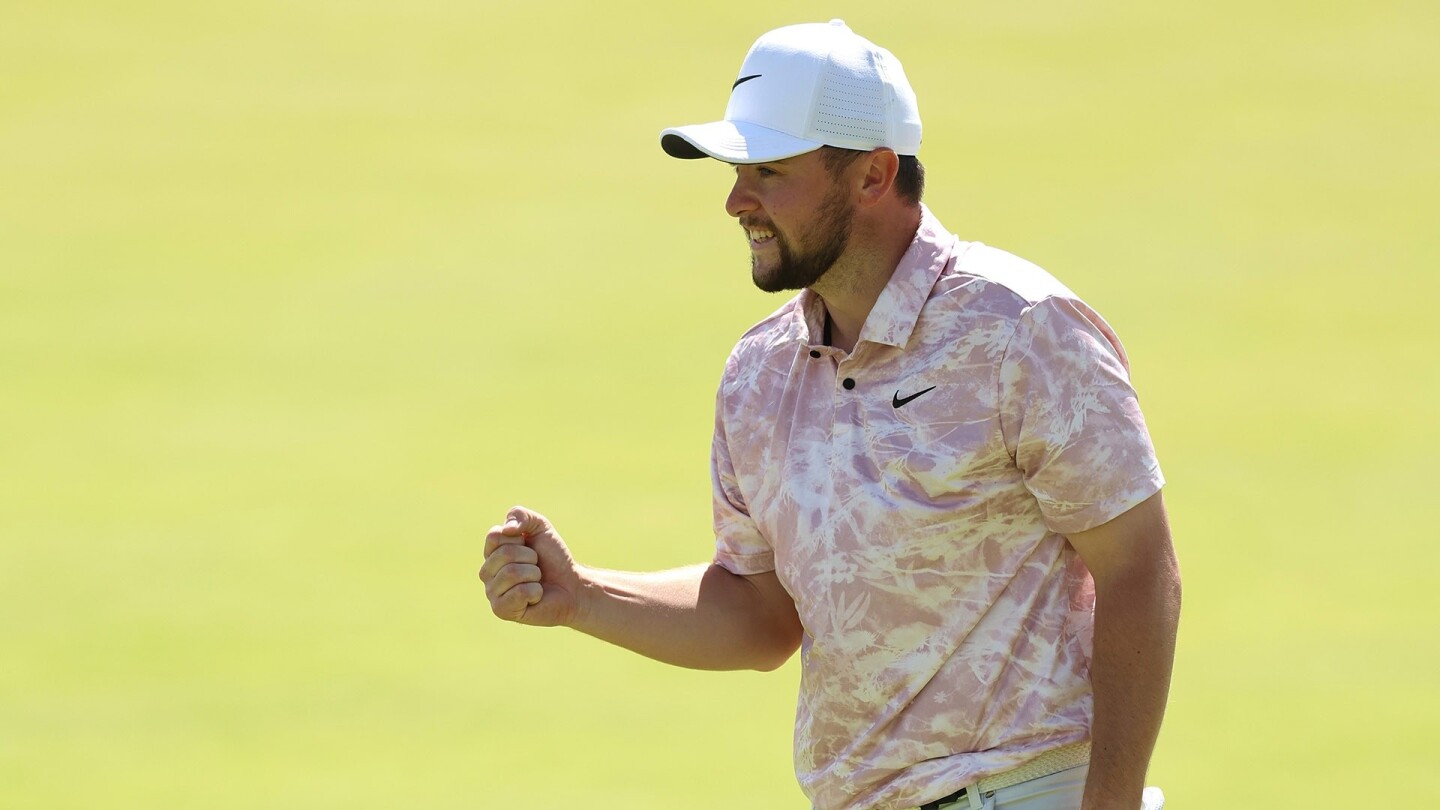
When Alex tapped in the final putt for a 6-under 66 and a one-shot victory, cameras caught Matt sprinting across the fairway, mid-embrace before Alex could even remove his cap. Tears followed. So did silence—shared between two brothers who knew how far they’d come.
The Emotional Weight of Sibling Success
Sibling dynamics in professional sports are rarely simple. Some relationships fracture under comparison. Others thrive on competition. The Fitzpatricks belong to the latter.
Unlike high-profile sibling duos marked by public tension—think the Williams sisters in tennis or the Dos Santos in football—the Fitzpatricks operate with understated unity. There’s rivalry, yes. But it’s clean, respectful, and rooted in mutual elevation.
Matt has never treated Alex as a protégé. But he’s also never withheld advice.
- He reviewed Alex’s swing videos when requested.
- He connected him with his fitness coach during a back injury.
- He insisted Alex play practice rounds with him before major championships, not to lecture, but to normalize the environment.
“I don’t want him to copy me,” Matt once said. “I want him to be better.”
And now, with Alex earning his PGA Tour card, that vision is materializing.
Why This Victory Matters Beyond the Scorecard
On paper, Alex’s promotion is a personal achievement. But its significance ripples across multiple dimensions:
1. Breaking the “Second Brother” Curse In sports, second siblings often struggle with identity. They’re “so-and-so’s brother” before they’re known for themselves. Alex’s win marks a turning point—he’s no longer defined by Matt’s success. He’s earned his own chapter.
2. Emotional Support as Performance Fuel Modern golf isn’t just physical. It’s psychological. Alex’s access to Matt’s experience—without the pressure of formal mentorship—gave him a unique emotional edge. He didn’t just have a coach. He had someone who’d lived the journey.
3. The Power of Quiet Confidence In an era of viral celebrations and social media bravado, the Fitzpatricks stand out for their restraint. Their victory wasn’t loud. It was deep. And in a sport increasingly influenced by mental performance, that quiet strength is a competitive advantage.
What Alex’s PGA Tour Entry Means for the Future
Alex isn’t arriving on the PGA Tour as a wildcard or a feel-good story. He’s coming in with credentials:
- 3 professional wins across developmental tours
- Top-10 finish at the 2023 European Open
- Consistent ball-striking stats: ranked top 15 in SG: Approach on Korn Ferry last season
His game is built for longevity: accurate off the tee, excellent iron player, and a putting stroke that’s improved steadily under sports psychologist guidance. But more than stats, he brings intangibles:
- Resilience: Overcame multiple missed cuts and injury layoffs
- Course management: Learned from years of watching Matt navigate U.S. Open setups
- Media savvy: Comfortable in interviews without seeking spotlight
With his PGA Tour card secured for the next two seasons via Korn Ferry Tour rankings, Alex now faces a new challenge: consistency at the highest level.

His first few events will be a mix of sponsor exemptions and full-field opens. Expect him to play cautiously—no weekend finishes, but no blowups either. His goal won’t be contention right away. It will be survival, learning, and growth.
And yes, Matt will be watching. Probably from a quiet corner of the practice range. Probably with a single text waiting after each round.
The Bigger Picture: Brotherhood in Professional Sports
The Fitzpatrick story resonates because it defies the myth of the lone athlete. We love the underdog, the self-made champion—but real success is rarely solitary.
Alex’s rise highlights how family can be a silent catalyst. Not through fame, money, or connections—but through presence, patience, and shared struggle.
Other sibling pairs in sports have shown this:
- The Bryan Brothers (Tennis): Dominated doubles with telepathic chemistry forged in childhood.
- The Giddeons (NFL): One played, one coached—supporting each other from backyard to Super Bowl.
- The Sock brothers (Tennis/Baseball): Different sports, same support system.
But what makes the Fitzpatricks unique is their sport’s individual nature. Golf offers no teammates, no shared huddle. When you’re out there, you’re alone. Except, perhaps, in the echoes of your brother’s voice in your head.
“I see Matt in my pre-shot routine,” Alex admitted. “The way I ground my club, the breath before the swing. It’s not imitation. It’s inherited.”
How Young Athletes Can Learn from the Fitzpatrick Model For aspiring golfers—or any athlete navigating the pressure of a talented sibling—Alex’s journey offers practical insights:
1. Define Your Own Path Don’t try to copy. Learn, absorb, then adapt. Alex plays a longer ball than Matt. He’s more aggressive on par 5s. He’s carved his own identity.
2. Use Comparison as Fuel, Not Anchor It’s natural to measure yourself against a successful sibling. But use that energy to train harder—not to shrink.
3. Seek Feedback, Not Validation Alex never asked Matt, “Am I good enough?” He asked, “How would you play this shot?” That subtle shift keeps the focus on growth.
4. Embrace the Long Grind Alex spent years in golf’s minor leagues. No sponsorships. No spotlight. But he stayed committed to the process.
5. Let Emotion In Many athletes suppress feelings to appear “tough.” The Fitzpatricks show that emotion—love, pride, even vulnerability—can coexist with elite performance.
Alex Fitzpatrick’s PGA Tour card isn’t just a career milestone. It’s a testament to quiet perseverance, familial loyalty, and the power of emotional support in high-pressure sports.
As he steps onto the first tee of his debut PGA Tour event, he won’t be alone. Not really. His brother’s lessons, their shared history, and that unforgettable victory hug will be with him every swing of the way.
For fans, the next chapter isn’t just about wins or rankings. It’s about watching a brother stand on his own—while still holding on to the one who helped him get there.
Now, the real work begins.
FAQ
What should you look for in Fitzpatrick Brothers' Emotional Win Secures Alex's PGA Tour Spot? Focus on relevance, practical value, and how well the solution matches real user intent.
Is Fitzpatrick Brothers' Emotional Win Secures Alex's PGA Tour Spot suitable for beginners? That depends on the workflow, but a clear step-by-step approach usually makes it easier to start.
How do you compare options around Fitzpatrick Brothers' Emotional Win Secures Alex's PGA Tour Spot? Compare features, trust signals, limitations, pricing, and ease of implementation.
What mistakes should you avoid? Avoid generic choices, weak validation, and decisions based only on marketing claims.
What is the next best step? Shortlist the most relevant options, validate them quickly, and refine from real-world results.

:max_bytes(150000):strip_icc():focal(728x275:730x277)/princess-catherine-prince-william-donald-trump-king-charles-iii-trump-state-visit-uk-windsor-091725-8672599a27214b6f8ffdbb07fd7596e4.jpg)
