A third-party breach has triggered a chain reaction in the SaaS ecosystem, with Vimeo confirming that an unauthorized actor gained access to certain user and customer information. The breach did not originate within Vimeo’s infrastructure—instead, the company points to a compromise at Anodot, a cloud-based monitoring and alerting platform used by Vimeo for internal analytics. This incident underscores the growing risk posed by interconnected vendor environments, where a single weak link can expose multiple organizations.
The breach highlights a critical vulnerability in modern digital operations: reliance on external tools that hold access to sensitive internal systems. While Vimeo acted swiftly once notified, the damage was already in motion. Customer emails, profile data, and in some cases, billing details were potentially exposed. For users and enterprises alike, this event is a wake-up call about supply chain security.
How the Anodot Breach Enabled Access to Vimeo Data
Anodot, a real-time analytics provider used by tech companies to monitor performance and detect anomalies, suffered a security incident that allowed attackers to infiltrate its systems. Vimeo, among other clients, used Anodot to track platform metrics, user engagement, and service performance. Because Anodot had access to certain Vimeo systems through API integrations and authentication tokens, the breach created a backdoor into Vimeo’s environment.
According to Vimeo’s official statement, the unauthorized actor leveraged compromised credentials from Anodot’s side to access internal Vimeo tools. These tools, while not hosting full databases, contained structured logs and customer records linked to support, billing, and account management. Importantly, Vimeo emphasized that payment card information and video content were not accessed—thanks to encryption and segmented data storage. But personal identifiers like names, email addresses, and billing contact information were exposed for a subset of users.
This scenario exemplifies “lateral movement” in cyber attacks: attackers infiltrate a less-secure third party and pivot toward better-protected targets. Anodot’s role as a monitoring service made it a high-value target—its access privileges often mirror those of internal engineers, allowing deep visibility across platforms.
What Data Was Exposed—and Who Was Impacted
Vimeo clarified that not all users were affected. The breach impacted a specific segment of customers who had interacted with Vimeo’s support systems or billing interfaces during the window when Anodot’s access was compromised. The exposed data varies by account type:
- Individual creators: Email addresses, display names, support ticket details, and last login timestamps.
- Business and Pro accounts: Additional data such as company names, billing contact info, and subscription tiers.
- Enterprise clients: While no proprietary video content was accessed, metadata about account usage and administrative contacts may have been viewed.
Notably absent from the exposed dataset are passwords, video files, two-factor authentication codes, and full financial records. Vimeo uses tokenized payments through Stripe and other PCI-compliant gateways, which kept credit card numbers out of reach. However, attackers could still exploit the leaked data for targeted phishing campaigns, especially against business users.
One real-world risk: a hacker could use a Vimeo user’s support history and subscription level to craft a convincing email pretending to be Vimeo billing support, urging the recipient to “verify their account” via a malicious link. This type of social engineering is increasingly common post-breach.
Vimeo’s Response: Containment, Notification, and Forensic Review
Within hours of being alerted by Anodot, Vimeo moved to revoke all active API keys and authentication tokens associated with the vendor. The company also launched a full forensic investigation with third-party cybersecurity experts to map the scope of access and identify any residual risks.
Key response actions included: - Revoking Anodot’s access across all internal systems - Resetting credentials for affected internal tools - Auditing all third-party integrations for excessive permissions - Notifying impacted users via direct email - Reporting the incident to relevant data protection authorities
Vimeo also enhanced its monitoring for suspicious login activity and advised users to remain vigilant for phishing attempts. The company has committed to publishing a detailed post-incident report once the investigation concludes.
This response aligns with best practices in incident management—but it also exposes a delay in detection. The breach at Anodot occurred days before it was discovered, meaning attackers had a window to explore connected systems. Vimeo did not detect the intrusion internally; it was notified by Anodot. This lag suggests a gap in real-time cross-platform threat visibility.
Why Third-Party Vendors Are the New Attack Vector
The Vimeo incident is not isolated. In recent years, supply chain attacks have surged—from the SolarWinds breach to the 3Commas hack via a cloud messaging provider. Organizations increasingly depend on SaaS tools for analytics, monitoring, customer support, and automation. Each integration expands the attack surface.
Anodot is used by dozens of tech companies for anomaly detection—making it a prime target. Attackers don’t need to break into 50 companies when they can compromise one vendor with broad access.
Common weaknesses in third-party risk management include: - Over-provisioned access (vendors with admin-level permissions) - Lack of continuous monitoring for external tool activity - Delayed breach notifications between partners - Inadequate vetting of vendor security practices
A 2023 Ponemon Institute study found that 61% of organizations experienced a data breach caused by a third party—up from 51% two years prior. Yet, only 38% conduct quarterly security assessments of their vendors.
For SaaS companies like Vimeo, the lesson is clear: your security is only as strong as your least-secure partner. Implementing zero-trust access models, strict API permission controls, and behavior-based anomaly detection can reduce exposure.
How Users Can Protect Themselves After the Breach
Even if you weren’t directly notified by Vimeo, it’s prudent to assume your data may have been exposed—especially if you’re a Pro or Business user. Here’s what you can do now:
1. Watch for phishing attempts Be skeptical of unsolicited emails claiming to be from Vimeo, especially those asking for login details or payment updates. Check sender addresses carefully—look for misspellings like “vimeoo.com” or “vimeo-support.net.”
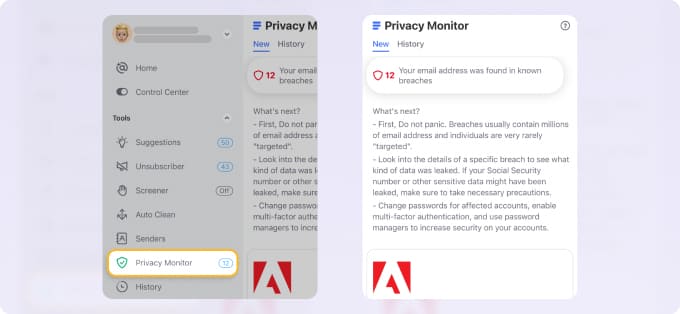
2. Enable two-factor authentication (2FA) If you haven’t already, activate 2FA in your Vimeo account settings. Use an authenticator app or hardware key instead of SMS, which is vulnerable to SIM-swapping.
3. Audit connected apps and services Review which third-party apps have access to your Vimeo account. Remove any you no longer use. This reduces your attack footprint.
4. Monitor your billing and email activity Check recent invoices and login logs. Vimeo provides a “Recent Activity” section in account settings—review it monthly.
5. Consider a password reset Even if Vimeo says passwords weren’t exposed, reset your password if you reuse it elsewhere. Use a unique, strong password or a password manager.
6. Report suspicious activity Forward any phishing attempts to Vimeo’s abuse team and your email provider.
These steps aren’t just reactive—they build long-term resilience against future breaches.
What Vimeo Must Do Next to Rebuild Trust
Security incidents test customer loyalty. Vimeo’s transparent communication has helped, but trust must be earned repeatedly. To prevent recurrence, the company should:
- Adopt a zero-trust architecture for vendor access, limiting permissions to the minimum necessary.
- Require regular security audits from all third-party providers, with proof of compliance (SOC 2, ISO 27001).
- Implement real-time API monitoring to detect unusual data queries or login attempts from integrated services.
- Expand breach notification timelines—aim to detect and notify within 24 hours, not days.
- Offer extended monitoring services for affected users, such as free credit or identity monitoring (even if financial data wasn’t exposed).
Additionally, Vimeo could publish a public transparency report detailing third-party integrations and their access levels. This would empower users to assess their own risk.
The Bigger Picture: SaaS Security in an Interconnected World
The Vimeo-Anodot breach is a microcosm of a systemic issue: the fragmentation of control in cloud ecosystems. As companies adopt best-of-breed tools, they trade visibility for functionality. One analytics platform, one chatbot, one CRM—each with access to user data and internal workflows.
But attackers don’t target platforms—they target pathways. And the API keys, OAuth tokens, and service accounts used by vendors are the new crown jewels.
Organizations must shift from reactive security to proactive exposure management. That means continuous vendor risk scoring, automated access reviews, and assuming breach as the default state. For users, it means treating every digital service as a potential weak link—and protecting accounts accordingly.
Vimeo’s incident isn’t a failure of one company. It’s a symptom of an industry-wide challenge. The way forward isn’t less integration—it’s smarter, more secure integration.
Stay Alert, Stay Protected
If you use Vimeo for personal or business video hosting, take action now. Review your account settings, enable 2FA, and stay skeptical of unexpected messages. Advocate for better vendor security—not just from Vimeo, but from every SaaS provider you trust with your data.
Cyber threats evolve, but so do defenses. The best protection is awareness, layered security, and holding companies accountable when they fall short. This breach is a reminder: in the digital age, vigilance isn’t optional. It’s essential.
Frequently Asked Questions
Was my video content exposed in the breach? No. Vimeo confirmed that video files, thumbnails, and private links were not accessed. The breach involved user and customer metadata, not stored media.
Did Vimeo lose passwords or payment details? No. Passwords were protected by hashing, and payment card information was not stored or accessible through the compromised systems.
How do I know if I was affected? Vimeo is notifying impacted users directly via email. If you haven’t received a notice, your data was likely not part of the exposed subset.
Is Anodot still used by Vimeo? Vimeo has revoked Anodot’s access pending a full security review. Future use will depend on improved safeguards and access controls.
Can I delete my data from Vimeo now? Yes. Vimeo allows account deletion through the settings menu. This removes your profile, videos, and associated data, per their privacy policy.
What should businesses using Vimeo do? Audit user access, enable 2FA for all team members, review third-party app permissions, and monitor for phishing that impersonates Vimeo.
How can companies prevent similar breaches? Limit third-party access, enforce zero-trust principles, monitor API activity, and require security certifications from vendors.
FAQ
What should you look for in Vimeo Confirms Data Breach Linked to Third-Party Vendor? Focus on relevance, practical value, and how well the solution matches real user intent.
Is Vimeo Confirms Data Breach Linked to Third-Party Vendor suitable for beginners? That depends on the workflow, but a clear step-by-step approach usually makes it easier to start.
How do you compare options around Vimeo Confirms Data Breach Linked to Third-Party Vendor? Compare features, trust signals, limitations, pricing, and ease of implementation.
What mistakes should you avoid? Avoid generic choices, weak validation, and decisions based only on marketing claims.
What is the next best step? Shortlist the most relevant options, validate them quickly, and refine from real-world results.




:max_bytes(150000):strip_icc():focal(728x275:730x277)/princess-catherine-prince-william-donald-trump-king-charles-iii-trump-state-visit-uk-windsor-091725-8672599a27214b6f8ffdbb07fd7596e4.jpg)
